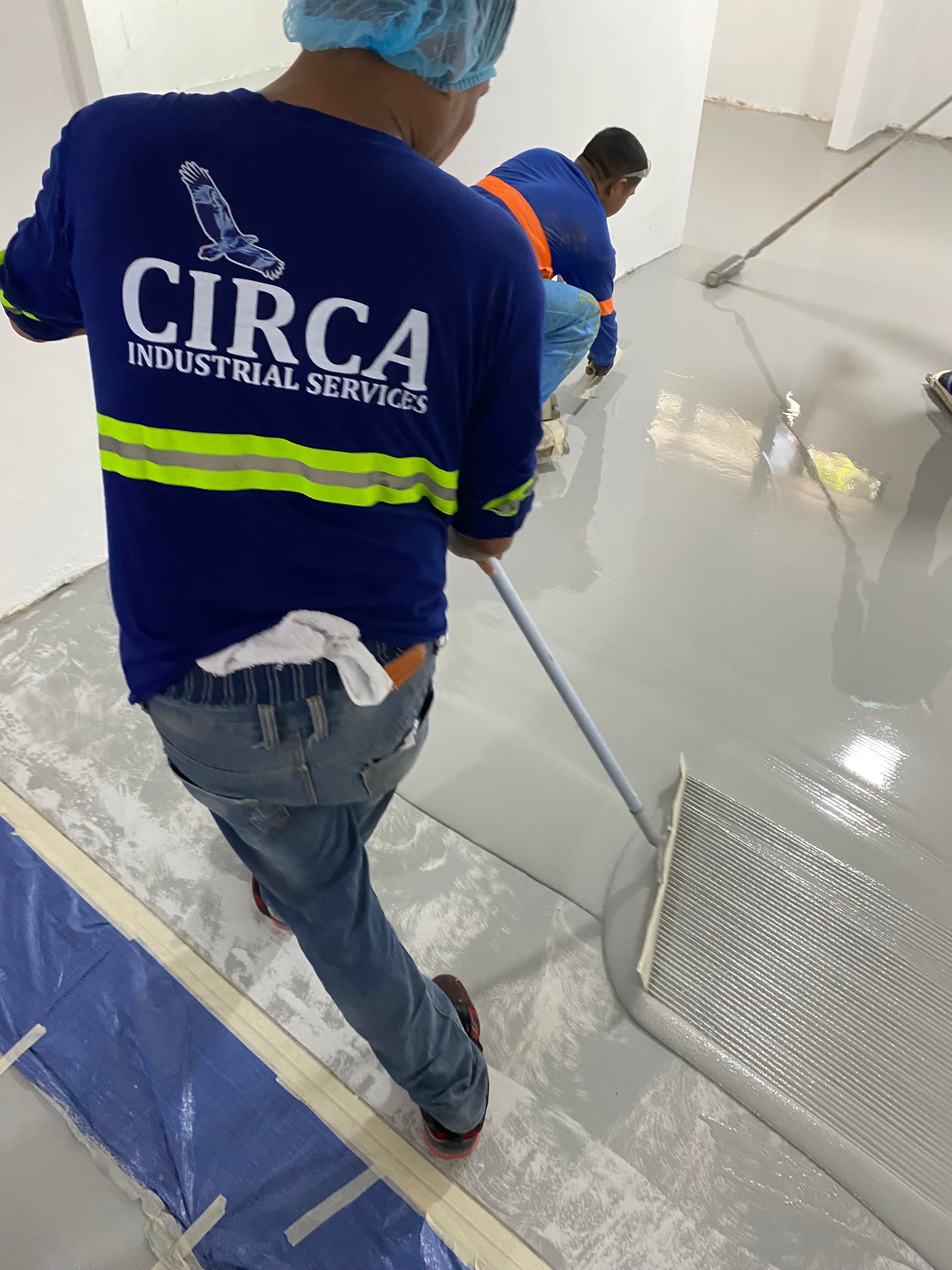
PU Mortar·
Why PU Mortar is the Only Choice for Food Factories
Steam cleaning, forklift traffic, and HACCP compliance — standard epoxy simply cannot handle all three.
Read article
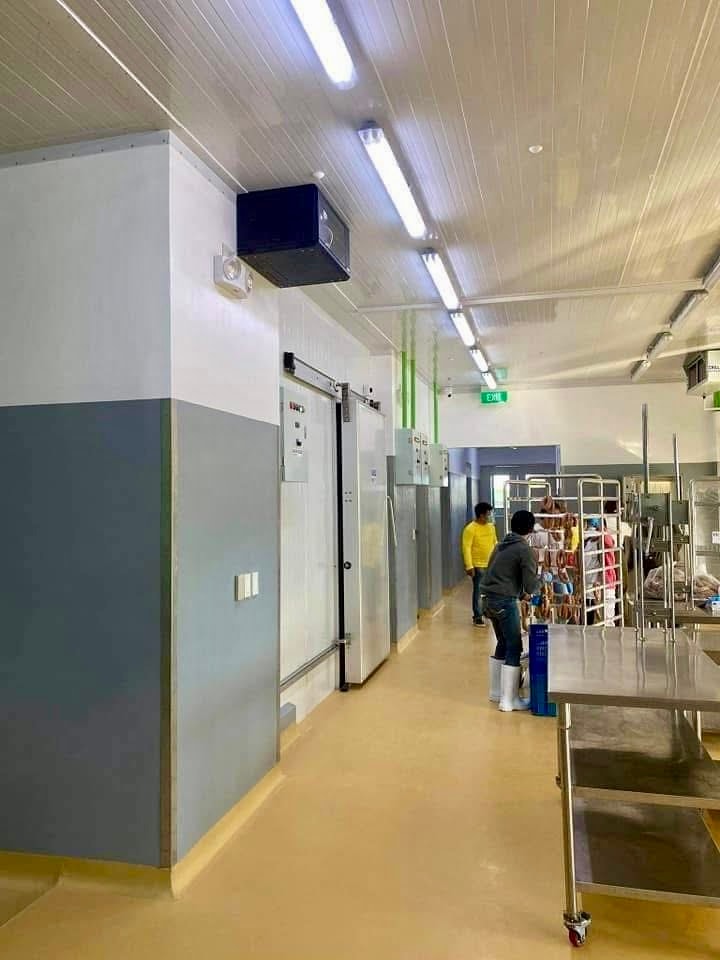
Walk into any cold storage facility in the Philippines and you'll often find the same problem: floor coatings that are cracking, bubbling, or peeling away from the concrete beneath. Facility managers patch it, repaint it, and patch it again. The floor never quite holds.
The cause is almost always thermal shock — a phenomenon that most flooring contractors don't explain clearly, and that most standard floor coatings are simply not designed to handle. Understanding it is the first step to choosing a floor that actually lasts.
Thermal shock occurs when a material is subjected to a rapid, significant change in temperature. In a cold storage context, this happens every time a freezer room door opens, every time a warm forklift enters a cold zone, and every time the refrigeration system cycles on and off.
The problem is not the cold itself — it's the transition. A floor coating that sits at −20°C and stays there is under manageable stress. A floor coating that goes from −20°C to +25°C and back again, multiple times a day, is under a completely different kind of stress.
Different materials expand and contract at different rates when temperature changes. This property is called the coefficient of thermal expansion (CTE). When a floor coating has a significantly different CTE from the concrete substrate beneath it, the two materials fight each other with every temperature cycle. Over time, the bond between them fails.
The numbers
Concrete has a CTE of roughly 10–12 × 10⁻⁶/°C. Standard epoxy coatings range from 50–80 × 10⁻⁶/°C — up to 7× higher. Every temperature cycle puts shear stress on the bond line. In a cold storage facility cycling daily, visible cracking can appear within 12–18 months.
Epoxy is the default choice for industrial floors because it's durable, chemical-resistant, and relatively affordable. In ambient-temperature environments — warehouses, factories, workshops — it performs well. In cold storage, it fails for two compounding reasons.
First, epoxy becomes brittle at low temperatures. The same rigidity that makes it hard and abrasion-resistant at room temperature becomes a liability below 0°C. A brittle coating cannot flex to absorb the micro-movements caused by thermal cycling — it cracks instead.
Second, epoxy's high CTE means it is constantly trying to expand and contract at a rate the concrete beneath it cannot match. The bond line — the interface between the epoxy and the concrete — experiences repeated shear stress. Eventually it fails, and the coating delaminates: it lifts away from the substrate in sheets or bubbles.
If you're seeing any of these, the underlying cause is almost certainly thermal cycling — not poor workmanship or low-quality materials. The same epoxy that performs perfectly in your dry warehouse will fail in your freezer room, because the environment is fundamentally different.
Polyurethane mortar (PU Mortar) was specifically engineered for environments where thermal cycling is a constant. Its chemistry is fundamentally different from epoxy: the polyurethane binder retains elasticity after curing, which allows the floor to flex slightly with each temperature change rather than cracking under the stress.
PU Mortar is rated for continuous service from −40°C to +120°C. This range covers the full operating envelope of any cold storage facility in the Philippines — from blast freezers at −30°C to ambient loading docks at +35°C on a hot day. The floor handles the transition without delaminating.
The aggregate filler in PU Mortar also gives it a CTE much closer to concrete than standard epoxy, which reduces the differential movement at the bond line. Combined with the elasticity of the polyurethane binder, this makes PU Mortar the only coating system that reliably survives the thermal cycling demands of cold storage.
| Property | Standard Epoxy | PU Mortar |
|---|---|---|
| Temperature range | −5°C to +60°C (practical limit) | −40°C to +120°C |
| Behaviour at low temp | Becomes brittle, prone to cracking | Retains flexibility, absorbs stress |
| Thermal expansion (CTE) | 50–80 × 10⁻⁶/°C | 25–35 × 10⁻⁶/°C |
| Bond durability under cycling | Fails within 1–3 years | 10–15 years with maintenance |
| HACCP compliance | Compromised once cracked | Seamless, non-porous, compliant |
| Upfront cost | Lower | 30–50% higher |
| 10-year total cost | Higher (repeated replacement) | Lower (single installation) |
Installing any floor system in a cold storage environment requires additional preparation steps that are often skipped by contractors unfamiliar with the application. The substrate must be at the correct temperature and moisture content before application — installing PU Mortar on a substrate that is too cold or too damp will compromise adhesion regardless of the product quality.
The cove detail — where the floor meets the wall — is also critical. In cold storage, moisture migration and ice formation at floor-wall junctions is a common failure point. A properly installed PU Mortar cove, carried up the wall to at least 100mm, eliminates this joint and prevents moisture ingress.
We always recommend a full substrate assessment before quoting a cold storage floor. The condition of the existing concrete, the presence of moisture, and the operating temperature range all affect the specification. A system that works in a 0°C chiller room may need to be adjusted for a −25°C blast freezer.
If your cold storage floor is cracking, the problem is not the contractor who installed it or the brand of coating they used. The problem is that the wrong system was specified for the environment. Epoxy is not designed for thermal cycling, and no amount of patching will change that fundamental mismatch.
PU Mortar costs more upfront. But in a cold storage environment, it's the only system that doesn't need to be replaced every few years. If you're planning a new cold storage facility or replacing a failed floor, we're happy to assess the site and give you a specification that will actually last.
Cold storage floor failing?
We'll assess the substrate and specify the right system for your temperature range.
Steam cleaning, forklift traffic, and HACCP compliance — standard epoxy simply cannot handle all three.
Read article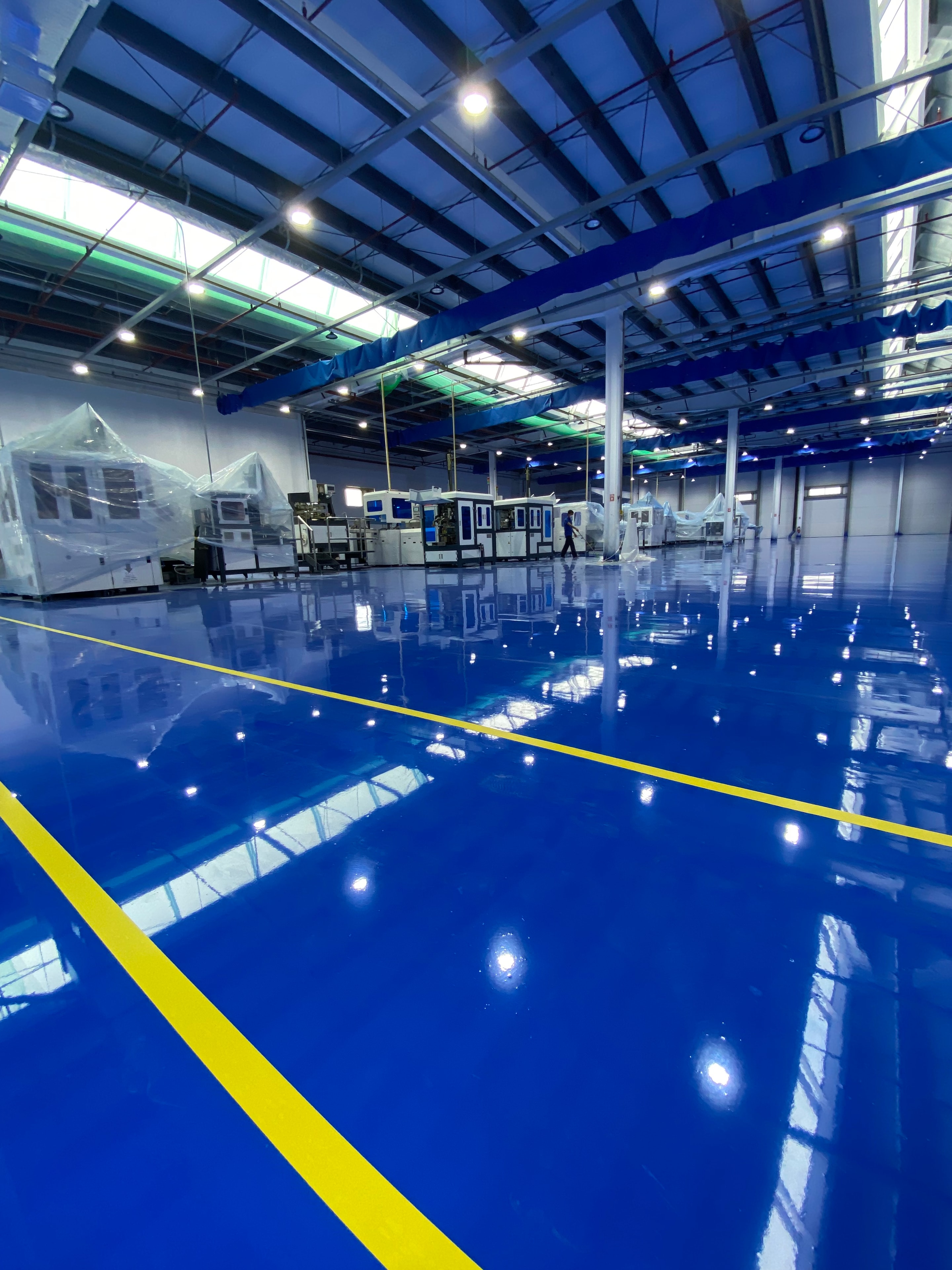
Both are resin floors — but they perform very differently under real industrial conditions.
Read article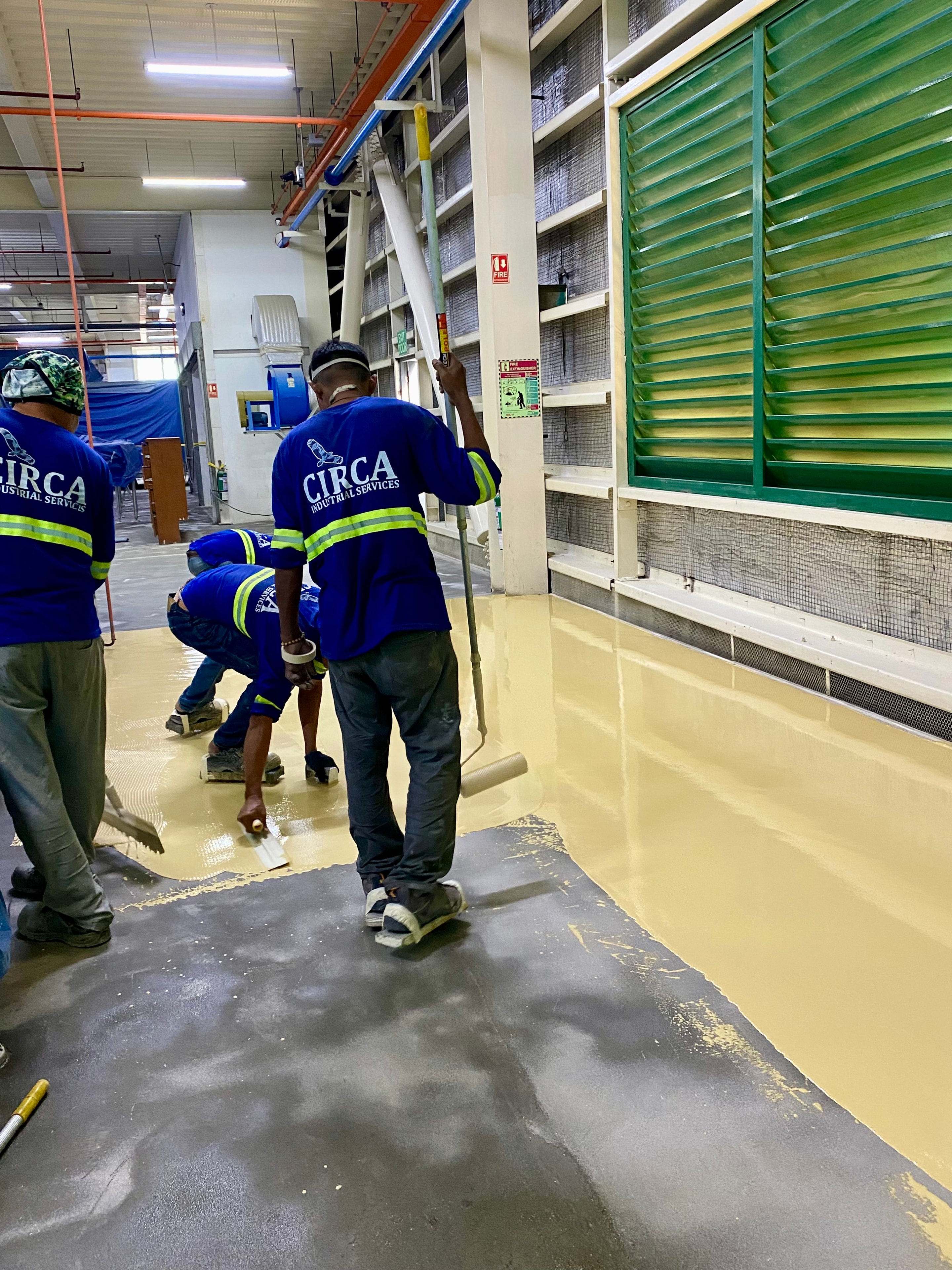
The right cleaning routine can double the service life of your resin floor.
Read articleFor estimates, please contact us at your convenience. We look forward to meeting you soon.
Address
Lot 24 Block 2 Horacio Aquino Street,
Green Valley Subdivision, Barangay San Francisco,
San Pablo City, Laguna, Philippines 4000
Mobile
+63 961 577 5115Hours
Monday–Saturday 8AM–5PM
Sunday: Closed