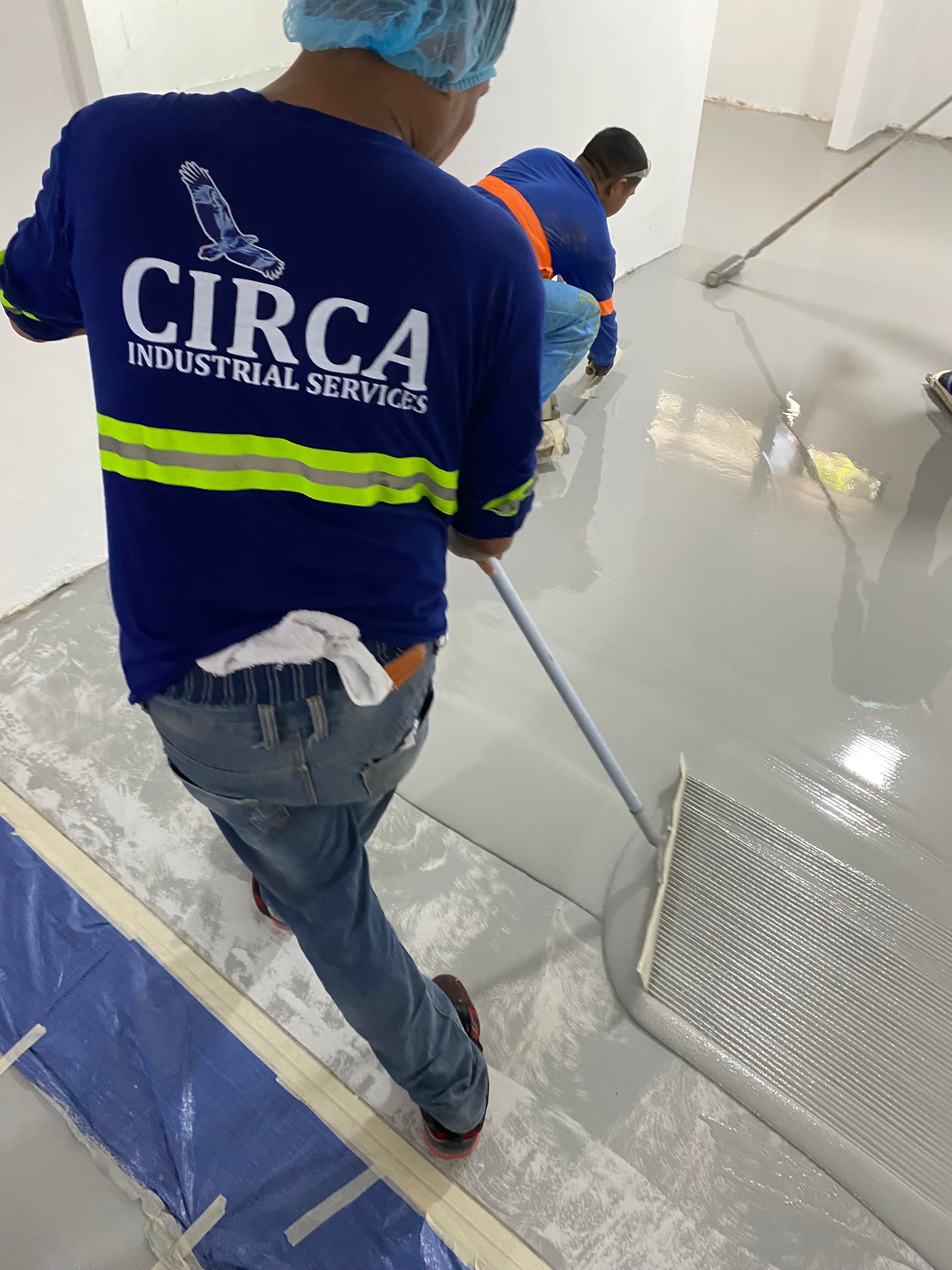
PU Mortar·
Why PU Mortar is the Only Choice for Food Factories
Steam cleaning, forklift traffic, and HACCP compliance — standard epoxy simply cannot handle all three.
Read article
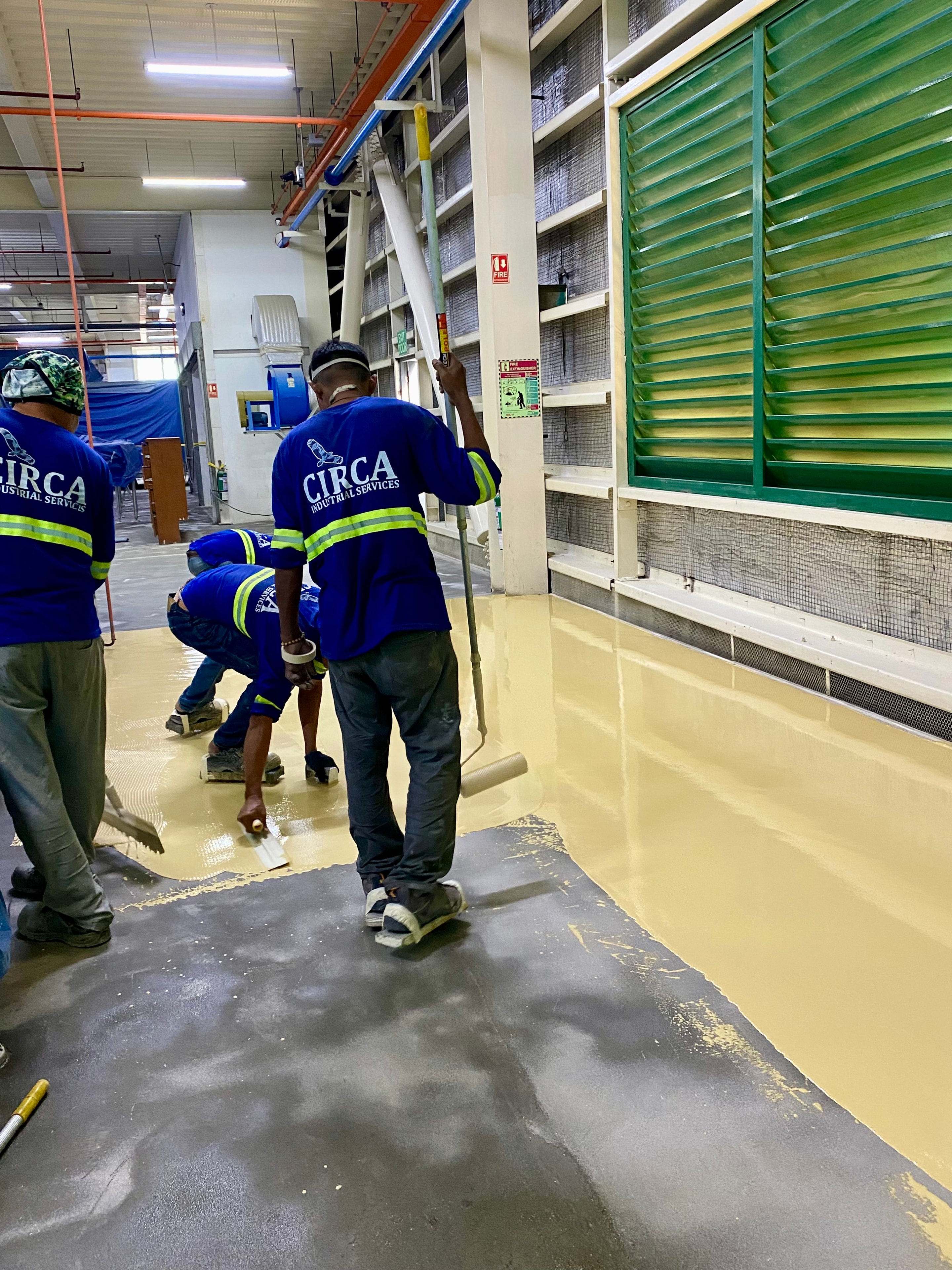
A well-installed industrial floor is a significant investment. Whether it's a PU Mortar system in a food factory, a high-build epoxy in a warehouse, or polished concrete in a logistics centre, the floor was specified and installed to last. But how long it actually lasts depends heavily on what happens after the installation crew leaves.
In our experience, the difference between a floor that lasts 5 years and one that lasts 15 is rarely the quality of the installation. More often, it comes down to cleaning practices, chemical selection, and how quickly minor damage gets addressed. This guide covers the essentials for each of the three main industrial floor systems we install.
Before getting into system-specific advice, there are three maintenance principles that apply regardless of what type of floor you have.
First: clean up spills immediately. Every resin floor system has chemical resistance limits. Prolonged contact with acids, solvents, or concentrated cleaning agents will degrade even the most chemically resistant surface. A spill that sits for an hour does more damage than one wiped up in five minutes.
Second: use the right equipment. Abrasive scrubbing pads, steel-bristle brushes, and high-pressure water jets can damage floor surfaces that are otherwise in good condition. Auto-scrubbers with soft nylon pads are the standard for most industrial floor types.
Third: address damage early. A small crack or chip that gets filled promptly costs almost nothing to repair. Left alone, moisture and contaminants work their way in, the damage spreads, and what was a minor repair becomes a section replacement. The cost difference is significant.
PU Mortar is the most chemically and thermally robust system we install, but it still benefits from a consistent maintenance routine.
Do
Don't
Steam cleaning
PU Mortar is rated for steam cleaning up to 100°C — one of its key advantages in food production environments. Use steam cleaning as part of your regular sanitation cycle without concern. Just ensure the surface is rinsed with clean water afterwards to remove any detergent residue.
Epoxy floors are durable in the right environment, but they require more careful maintenance than PU Mortar — particularly around chemical selection and impact management.
Do
Don't
Polished concrete is the lowest-maintenance system of the three — there's no coating to protect or reapply. But it still needs consistent care to preserve its appearance and performance.
Do
Don't
| Frequency | PU Mortar | Epoxy | Polished Concrete |
|---|---|---|---|
| Daily | Sweep/vacuum; spot-clean spills immediately | Sweep; mop with neutral cleaner | Dust-mop with microfibre pad |
| Weekly | Auto-scrub with neutral cleaner; rinse | Auto-scrub; inspect for new chips or cracks | Wet-mop with polished concrete cleaner |
| Quarterly | Inspect cove base and drains; fill any chips | Inspect joints and high-load areas; fill cracks | Check guard coat condition; reapply if needed |
| Annually | Full inspection; report any delamination or joint failure | Apply wax/sealer to high-traffic areas; full inspection | Full inspection; assess gloss level in traffic lanes |
| Every 3–5 years | Professional inspection; re-coat worn areas if needed | Consider full recoat if surface is heavily worn | Re-buff traffic lanes to restore gloss if required |
Routine maintenance is something your own team can handle with the right products and equipment. But some situations require professional assessment or repair.
Call a flooring contractor when you see delamination — areas where the coating has lifted away from the substrate. This is not a DIY repair; the delaminated section needs to be removed, the substrate prepared, and the system reinstated correctly, or the problem will recur.
Also call when you see cracks that are widening or recurring in the same location. A crack that keeps coming back after patching is a sign of substrate movement or a structural issue — patching it again won't solve the underlying problem.
Finally, if your floor is approaching the end of its expected service life and you're planning a replacement, get a professional assessment before committing to the same system. The facility's use may have changed, and a different specification might serve you better for the next 10–15 years.
Industrial floors are built to take punishment — but they're not maintenance-free. The facilities we see with the longest-lasting floors are almost always the ones with a consistent daily cleaning routine, the right chemical selection, and a habit of addressing small damage before it becomes large damage.
If you're unsure what products or routines are right for your specific floor system, we're happy to advise. And if your floor is already showing signs of wear or damage, we can assess it and give you an honest view of whether repair or replacement is the more cost-effective path.
Floor showing signs of wear?
We'll assess the condition and recommend the most cost-effective next step.
Steam cleaning, forklift traffic, and HACCP compliance — standard epoxy simply cannot handle all three.
Read article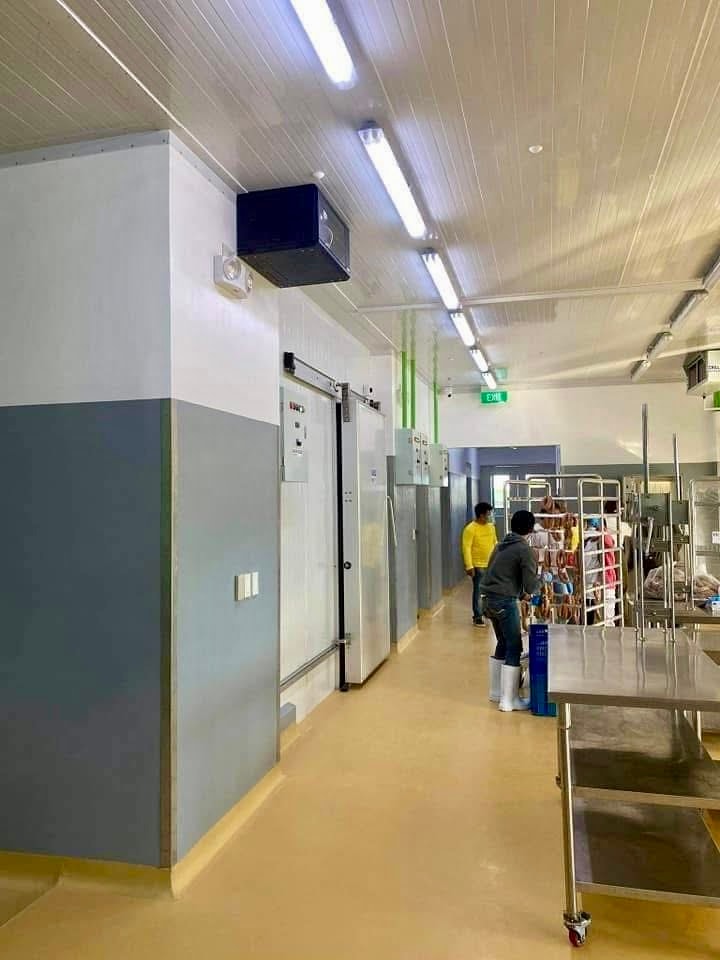
If your freezer room floor is cracking or delaminating, thermal shock is almost certainly the cause.
Read article
No coatings to peel, no repainting, no downtime. Polished concrete is the most cost-effective long-term flooring solution for dry warehouses.
Read articleFor estimates, please contact us at your convenience. We look forward to meeting you soon.
Address
Lot 24 Block 2 Horacio Aquino Street,
Green Valley Subdivision, Barangay San Francisco,
San Pablo City, Laguna, Philippines 4000
Mobile
+63 961 577 5115Hours
Monday–Saturday 8AM–5PM
Sunday: Closed